

Non-Pharmaceutical Healthy Sleep Solutions
Non-Pharmaceutical Healthy Sleep Solutions
1. Cognitive Behavioral Theraphy (CBT)
Cognitive Behavioral Therapy (CBT) is a psychological treatment approach that combines cognitive and behavioral techniques to help individuals identify and change unhealthy behaviors, thereby improving emotional well-being and behavioral performance.
 2. Physical Enviornment Sleep Therapy
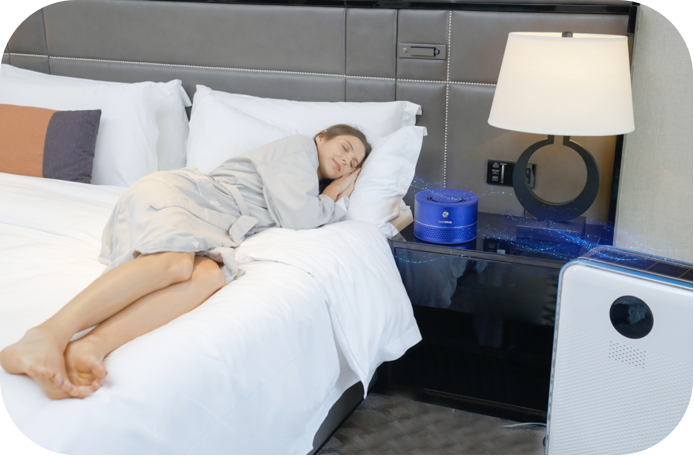
Physical Environment Sleep Therapy improves sleep quality by optimizing the sleep environment and related physical stimuli. Through globally leading charged particle wave technology, Sleeptopia creates a non-invasive, non-pharmaceutical, and non-contact sleep microenvironment that helps users achieve deeper and more stable sleep.
3. Gut Microbiota Regulation
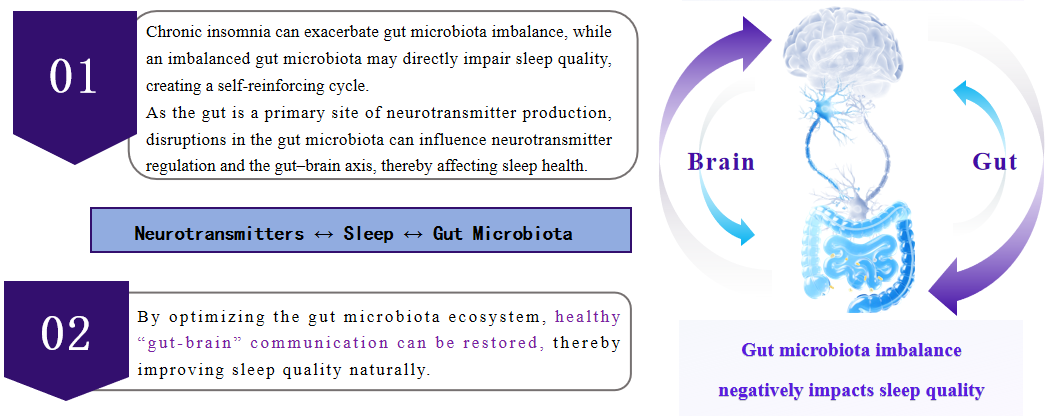
By rebuilding and optimizing the gut microbiota ecosystem, healthy “gut-brain” communication can be restored to support natural sleep. In collaboration with Scitop Bio-tech, carefully selected probiotic strains associated with mood and sleep have been developed to help improve sleep quality naturally.
I. Cognitive Behavioral Therapy (CBT)
CBT-I: Cognitive Behavioral Therapy for Insomnia
CBT-I is a psychological, non-pharmaceutical treatment specifically designed for insomnia disorders. It is internationally recognized as one of the most effective non-drug approaches for treating insomnia, helping individuals correct unhealthy sleep-related perceptions and gradually rebuild natural and healthy sleep patterns.
Cognitive Relaxation Therapy: Rather than a single method, Cognitive Relaxation Therapy is a comprehensive toolbox of relaxation techniques.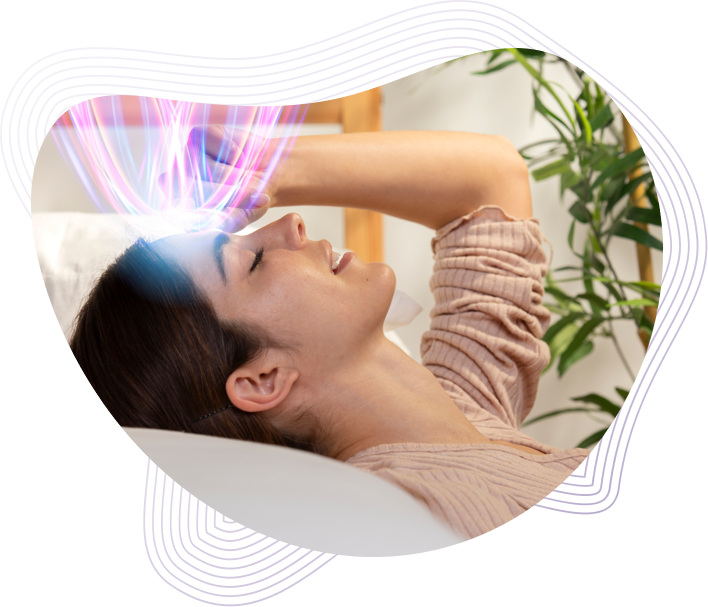
Key Components of CBT-I
(1) Sleep Hygiene Education: Provides guidance on healthy sleep habits and sleep hygiene practices to reduce or eliminate factors that interfere with sleep quality. Topics include napping habits, caffeine and tea consumption, timing of evening meals, physical activity, and bedtime routines.
(2) Stimulus Control Therapy: Based on the principles of conditioned reflexes, this approach helps individuals re-establish a strong association between sleep and the bed/bedroom environment, promoting a stable and consistent sleep–wake cycle.
(3) Sleep Restriction Therapy: Reduces time spent awake in bed by limiting time in bed to closely match actual sleep duration, while discouraging daytime napping. This helps consolidate sleep and improve sleep efficiency.
II. Physical Environment Sleep Therapy

Research has shown that exposure to high concentrations of charged particles can help relax emotions, restore physical functions, and improve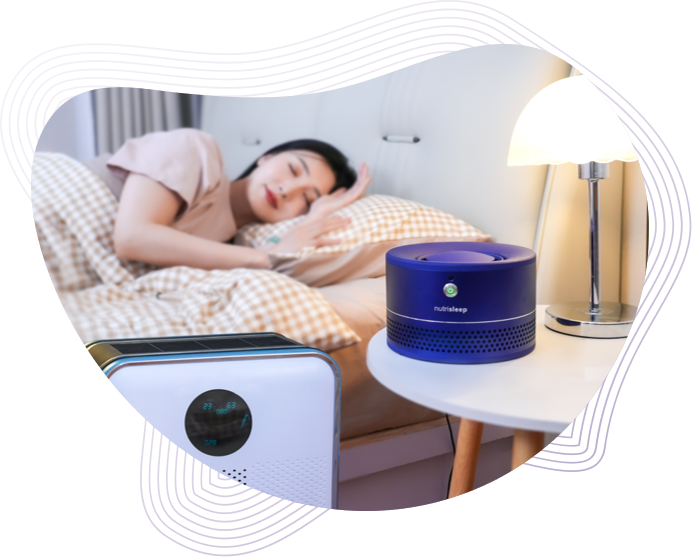 sleep rhythms.
Sleeptopia system utilizes energy-carrying charged particles in sleep-supportive frequencies to resonate with the brain’s slow-wave sleep patterns, creating a sleep microenvironment beneficial to both physical and mental well-being. This provides a non-invasive, non-pharmaceutical, and non-contact biological-assisted deep sleep solution.
In addition, negatively charged particles operating at natural biological frequencies help extend deep sleep duration, improve sleep quality, and restore the body’s natural sleep instinct. Compared with conventional interventions, non-invasive physical therapies offer a safe, drug-free, and user-friendly approach to sleep management. They can be applied without disrupting daily activities and may support long-term sleep health with minimal risk of adverse effects.
III. Regulating the Gut Microbiota Environment